
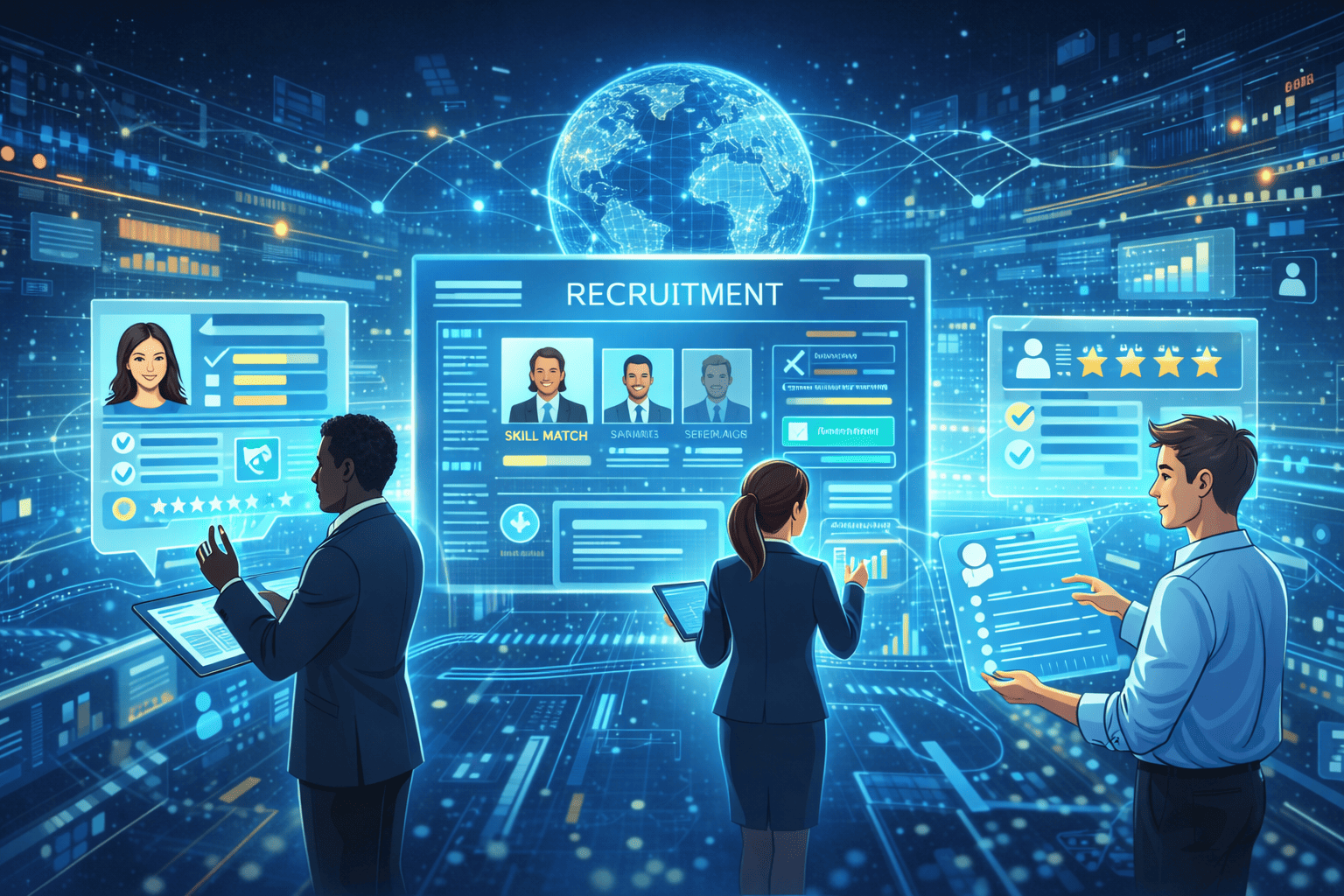
In today’s fast-moving tech landscape, traditional recruiting tactics no longer suffice to find and engage top IT talent. Companies are redesigning HR strategies around data, technology, and flexibility: for example, nearly 69% of organizations report persistent difficulty filling full-time roles. As Mobilunity’s HR director Yulia Borysenko explains, meeting this challenge means proactive, data-driven hiring – building talent pipelines and skills forecasts before roles open.
Embracing a Global, Remote Workforce: The talent market has become truly borderless. According to industry data, 88% of companies now offer some form of remote or flexible work option. This opens vast new talent pools: multinational firms tap global candidates across time zones, often finding it easier to hire than U.S.-only companies thanks to their broader reach and strong employer brands. But a distributed model also has pitfalls. “We can’t leave people feeling isolated,” notes Yulia. Mobilunity’s own “3R” nearshoring model (Relationships, Recruitment, Retention) is built for this reality. It emphasizes putting people first even as teams scale worldwide. For example, Yulia reports that 76% of workers say flexibility over when/where to work influences their decision to stay with an employer. In practice, Mobilunity trusts its global dev teams with autonomy: letting developers set their own schedules has dramatically boosted loyalty and cut burnout.
Harnessing AI and Data-Driven Recruiting: Cutting-edge technology is remaking how HR finds candidates. As Deloitte analysts observe, advanced AI agents and analytics are now embedded throughout talent acquisition. Generative AI can help draft job postings, while predictive algorithms source passive candidates and forecast skills demand. This talent-intelligence trend means recruiters spend less time on manual screening and more on strategic outreach. “We view AI as an efficiency tool, not a replacement,” says Yulia. Mobilunity, for instance, uses AI-powered sourcing to build candidate pipelines in advance of project needs. The goal is to make hiring proactive: data analytics reveal skill shortages and enable HR teams to engage engineers before a role is urgent. (This aligns with findings that nearly 40% of required job skills are expected to change by 2030, so planning ahead is essential.) By optimizing the HR tech stack — from ATS and CRM systems to conversational chatbots — companies can streamline recruiting and free human recruiters to focus on the personal side of hiring.
Shifting to Skills-Based, Agile Hiring: Today’s roles evolve faster than ever, widening the skills gap. A recent SHRM survey found that 75% of employers struggle to fill positions due to a mismatch in skills (both technical and soft skills). To adapt, Yulia urges HR teams to prioritize potential over pedigree. “We hire for learning agility and culture fit,” she says. Instead of relying solely on degrees, Mobilunity screens for key abilities like problem-solving or teamwork that signal a candidate can grow with the job. This skills-based hiring approach often means revamping assessments: for example, coding challenges, simulations, or situational interviews can reveal aptitude better than credentials. It also ties into workforce planning. HR leaders are increasingly investing in upskilling and internal mobility (promoting from within), since broadening current employees’ skills can be faster than external recruiting. By combining skills mapping with flexible development programs, organizations can fill future needs from their own bench and reduce time-to-fill.
Elevating the Candidate Experience and Employer Brand: Recruiting is now a continuous journey, not a single transaction. Every touchpoint – from the initial job post to the final offer – shapes a candidate’s view of the company. Yulia notes that software developers, especially, research prospective employers thoroughly. “We market ourselves like a product,” she explains. Actions such as personalized communication, transparent timelines, and fast feedback signal respect. For example, companies should use consistent interview processes and keep applicants informed at each step. In addition, employer branding is crucial: the company must highlight its mission, culture, and growth opportunities to stand out. SHRM research emphasizes investing in storytelling and testimonials; organizations should showcase developer success stories and clear career ladders to appeal to talent. Even non-traditional channels like tech-focused social media or video platforms can be leveraged: younger IT talent often expects to see company culture in action (e.g. virtual meetups, hackathon recaps, GitHub projects) before deciding to apply.
Building a Flexible, People-First Culture: Beyond the hiring process itself, HR strategies must reflect what employees value today: autonomy, wellness, and learning. Data show that 76% of workers rate work-time and location flexibility as a key retention factor. Accordingly, Mobilunity’s teams work on flexible schedules and focus on outcomes rather than micromanaging hours. This trust-based approach is backed by research: developers with control over their time are measurably more loyal and less likely to churn. Total rewards also need rethinking. With many candidates now prioritizing benefits, culture, and work-life balance, organizations often find creative perks (like mental health support, skill stipends, or remote-work allowances) can attract talent even if they can’t match top salaries. Yulia stresses that continuous learning programs and mentorship not only boost retention but also feed into talent pipelines: “When developers see a clear path for growth, they stay longer,” she says.
Key Strategies for Future-Ready Hiring:
- Use Data and AI: Leverage analytics to forecast needs and automate routine tasks. Proactively build talent pools (internal and external) based on projected skills demand.
- Go Global and Flexible: Embrace remote work and cross-border teams to access larger talent pools. Offer flexibility in schedules and formats (fully remote, hybrid) to match candidate preferences.
- Prioritize Skills: Shift from credentials to competencies. Employ skills assessments and invest in training/upskilling programs to bridge gaps.
- Enhance the Candidate Journey: Treat applicants like future employees from day one. Ensure clear communication, a streamlined process, and timely feedback. Cultivate a strong employer brand by highlighting culture and career development.
- Focus on Culture and Retention: Create a people-first environment where developers feel supported. Transparent career paths, mentorship, and recognition (virtual events, acknowledgments) build loyalty.
Conclusion: Adapting for Tomorrow’s Market. The modern hiring landscape is defined by rapid change – from AI-driven screening to global, skill-based talent pools. As Yulia Borysenko emphasizes, staying competitive demands that HR functions be equally dynamic. “The formula is simple,” she says, “transparency, structure, and timely support.” By combining human-centered culture with cutting-edge tools, companies can turn today’s talent challenges into an advantage. In short, HR must rethink old playbooks: future-proof talent acquisition by being agile, data-driven, and relentlessly focused on people.
Sources: Insights and data are drawn from recent industry research and Yulia Borysenko’s experience leading global IT recruiting. For example, Deloitte notes that AI and agent-powered recruiting tools are transforming TA, making tech-driven efficiency a strategic imperative. Likewise, SHRM reports that 69% of organizations still struggle to hire in 2025, underscoring the need for innovative HR strategies. Yulia’s commentary integrates these trusted sources with on-the-ground HR best practices to show how startups and enterprises alike can adapt to the fast-changing market.
Author Name : Yulia Borysenko

Author bio: Mobilunity’s Staff Services Director, Yulia Borysenko – with over a decade of IT HR leadership – offers data-driven strategies for keeping dedicated development teams engaged, productive, and loyal.